


Clear Thinking for Hard Moments.
In sport, in work, and in life.
I help people handle pressure, come back after a setback, and understand why the same problems keep returning. I work with athletes, founders, leaders and driven professionals, in person in Phuket and online.
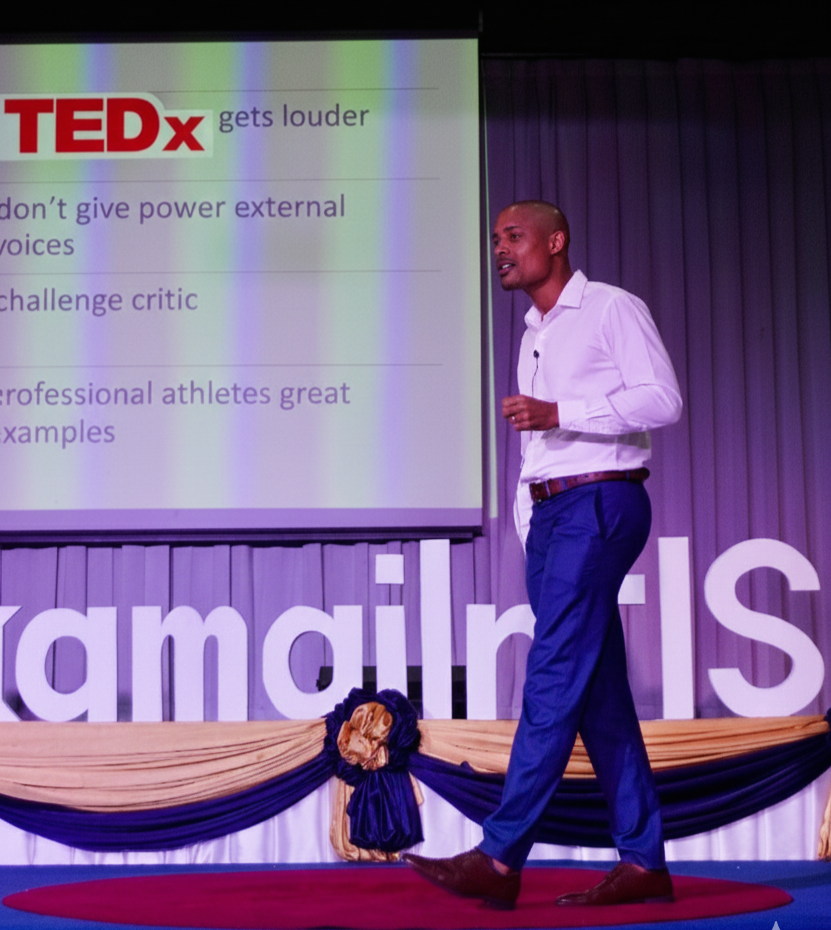
Kyle Daniels, Mental Performance Coach





Two-time TEDx speaker · Dual Psychology Degrees · Sport psychology training through FC Barcelona endorsed program · Worked with Olympians, Paralympians & World Aquatics athletes

Does this sound like you?
I am under pressure and I am not thinking clearly.
A big match, a big decision, or months of carrying too much. Your mind speeds up, you second-guess yourself, and you are not performing the way you know you can.
I took a hit and I have not come back from it.
A loss, an injury, a business that failed, a role that ended. You are still functioning, but your confidence has not returned and you are not sure what your next move is.
I have done the work, and the same problem keeps coming back.
You have read the books and tried the techniques. They helped for a while. Then the doubt, the overthinking or the self-sabotage returned, sometimes in a different part of your life.
If you recognise yourself in any of these, you are in the right place.

Who I work with
Athletes
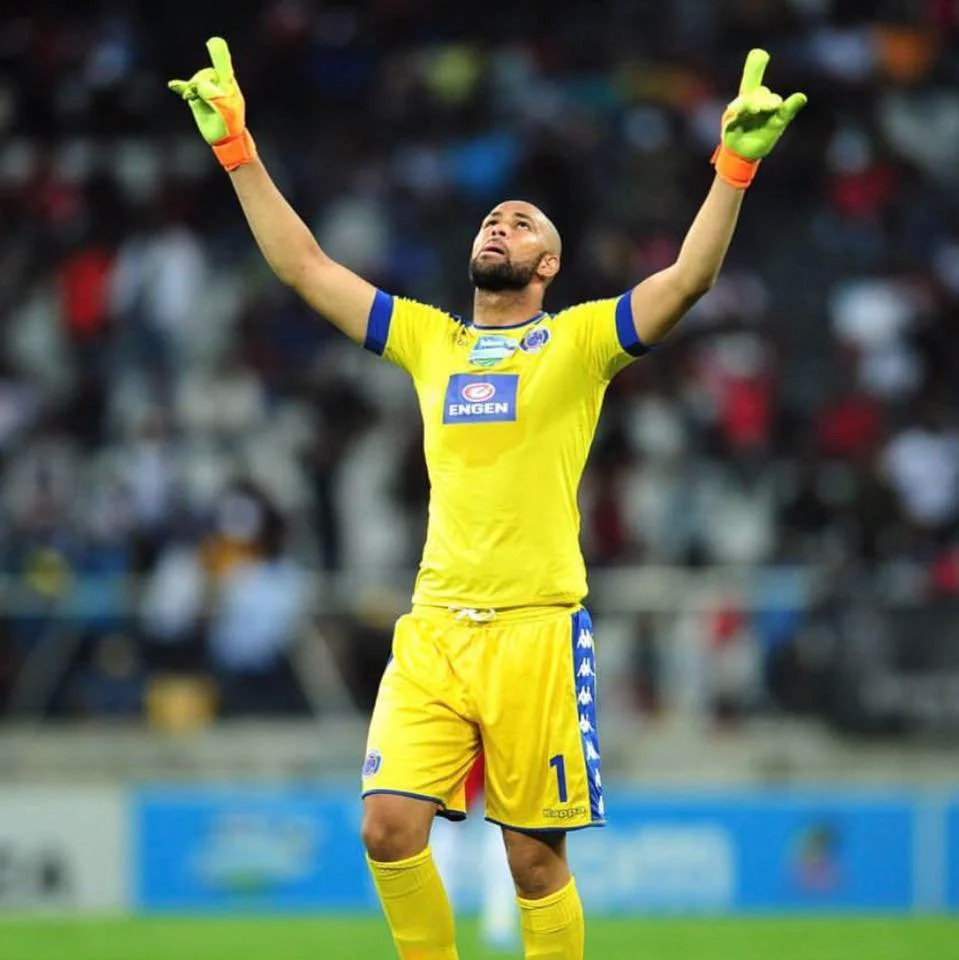
For competitors who train well and then tighten up when it counts, or who are coming back from injury, a loss or a move out of sport.
Founders and leaders
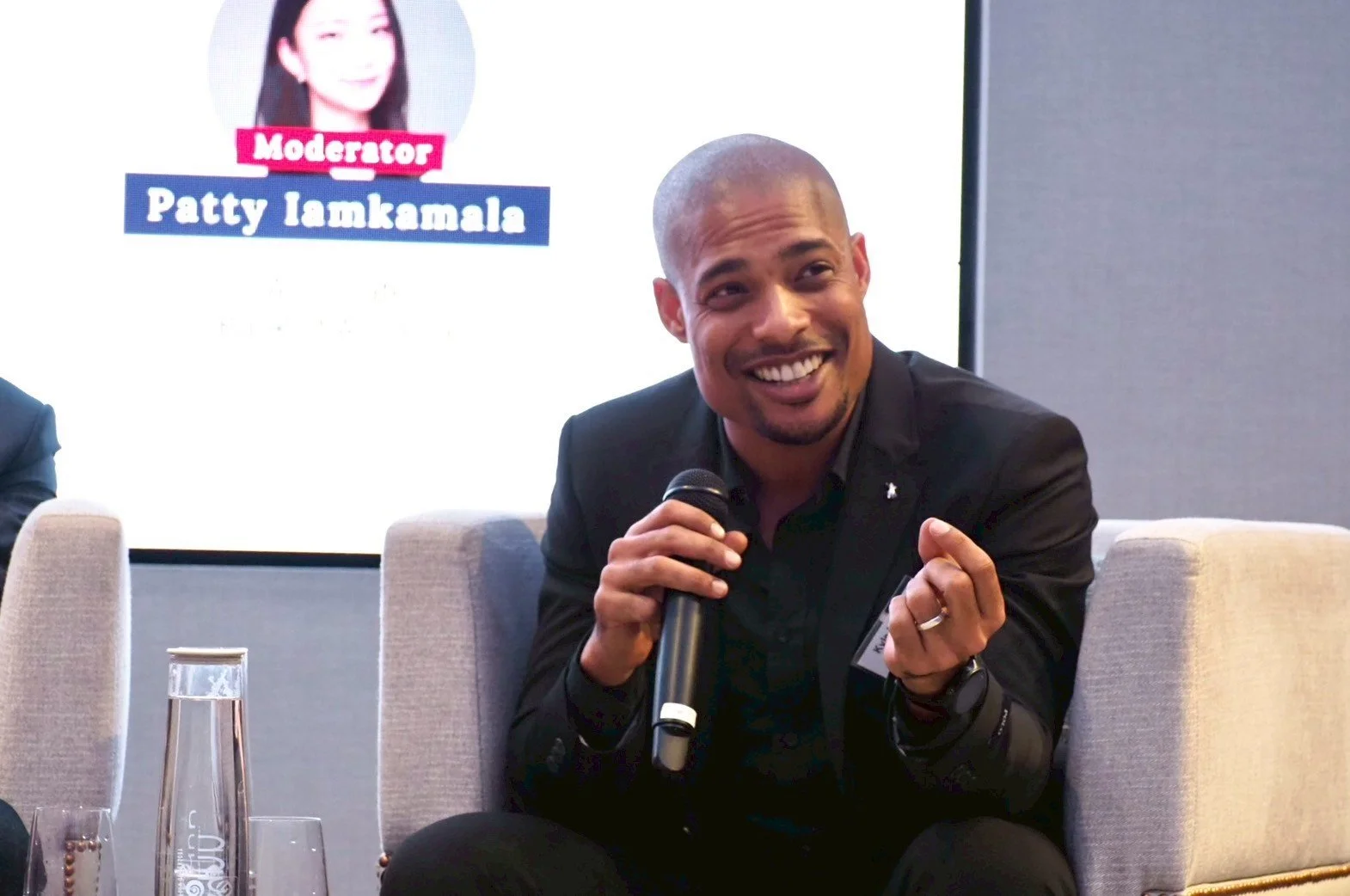
For people who carry a lot of responsibility and feel the weight of it: constant decisions, self-doubt that the results do not explain, or a setback that shook them.
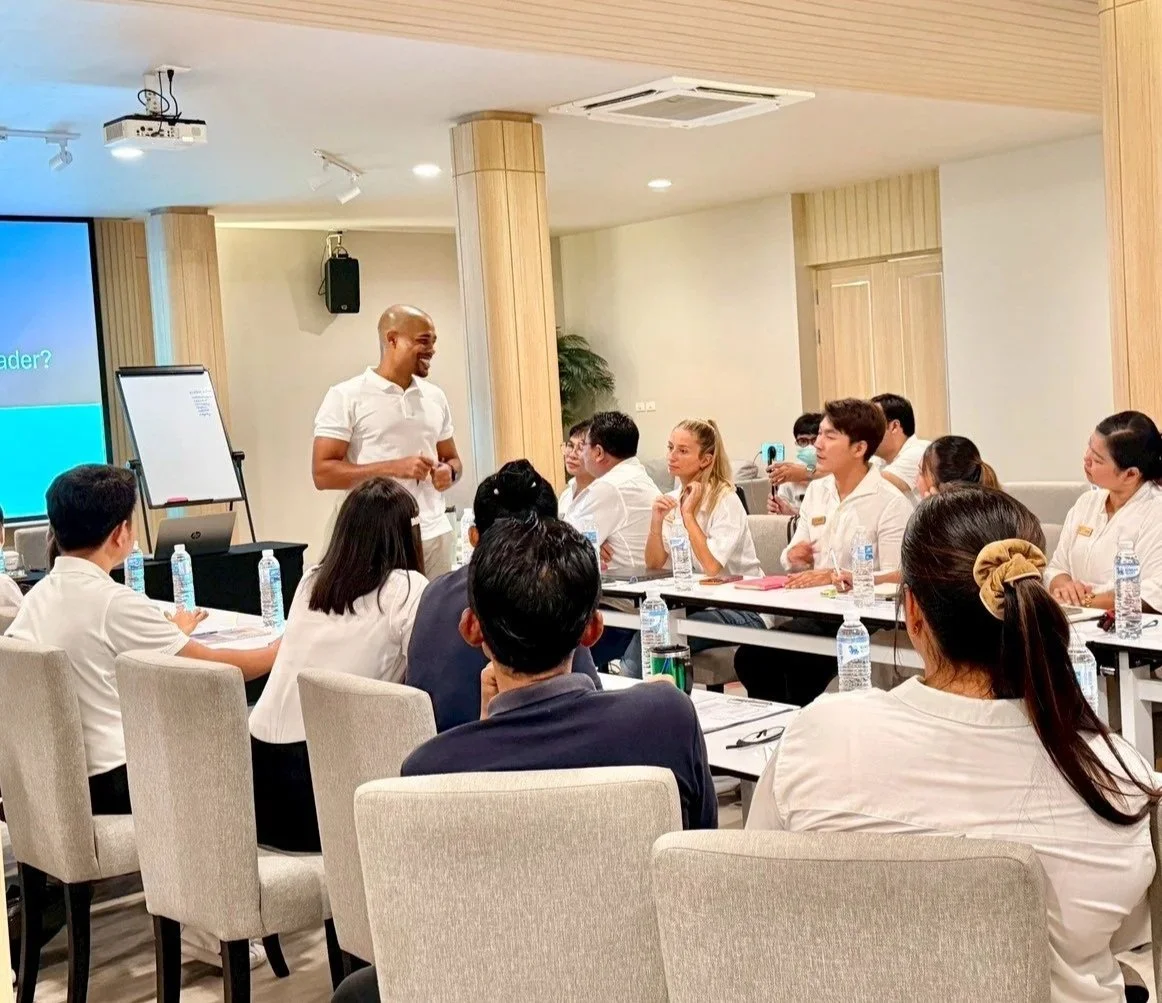
Teams and organisations
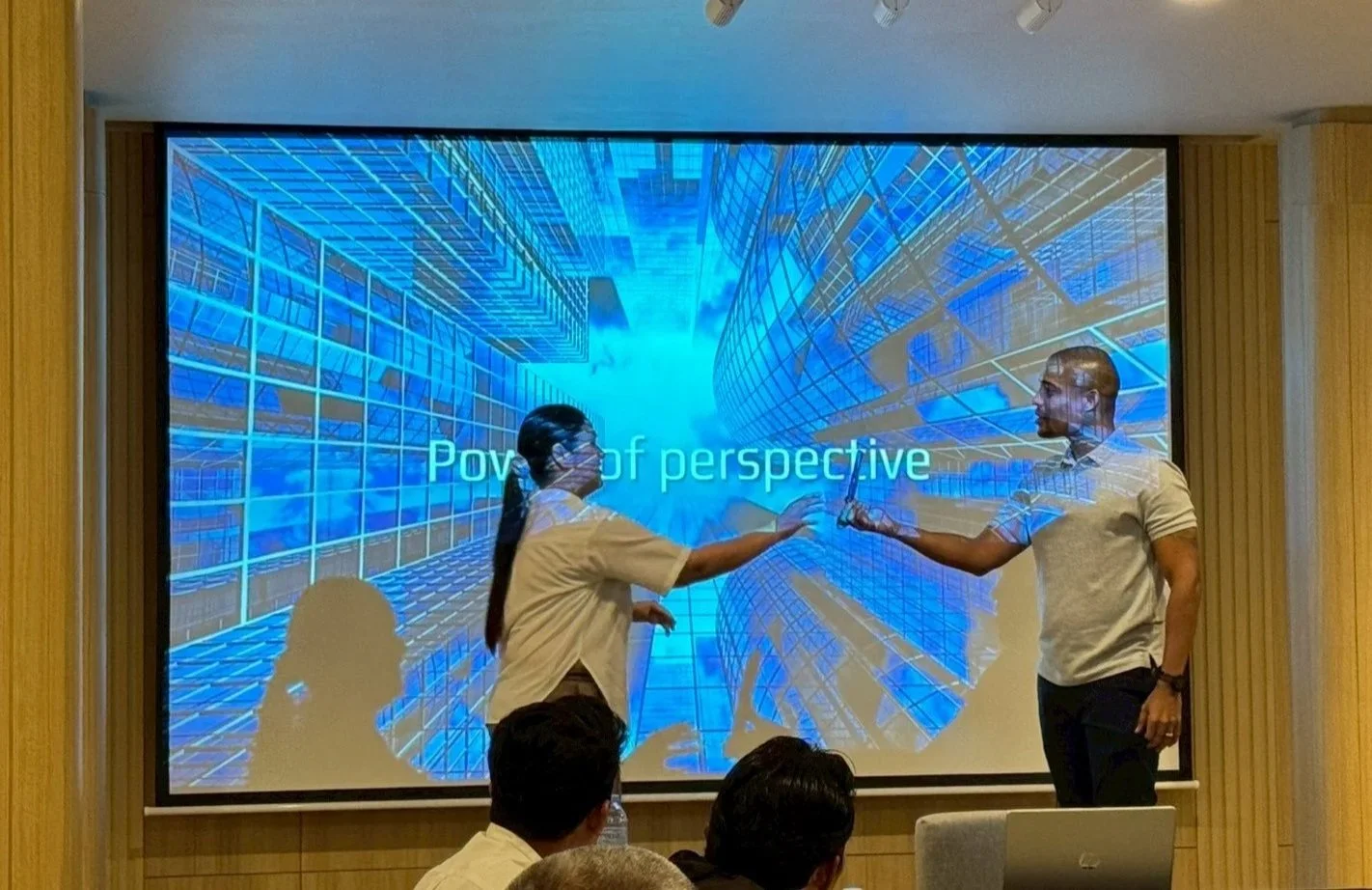
Talks and workshops for teams working under sustained pressure or going through change.
Why the same problems come back
Most advice gives you tools: breathing, routines, better self-talk. Tools are useful, and I teach them.
In my experience, tools on their own often stop working. The pressure eases for a few weeks and then the same problem returns. When that happens, the problem usually sits one level deeper, in how you see yourself.
If part of you believes you are only as good as your last result, every match and every meeting becomes a test of your worth. A breathing exercise cannot fix that for long.
So I work on both levels. First we steady the moment, so you can think and act. Then we look at the picture you hold of yourself: where it came from, what it is costing you, and what to build in its place. That second level is where change holds.
How I work
Every person is different, but the work follows three stages.
Step 1 : Understand
We find out what is really going on. Not every problem is a mindset problem. Sometimes it is preparation, sometimes it is what is happening around you, and sometimes it is how you see yourself.
Step 2: Rebuild
We work on the part that needs it. You learn practical ways to manage pressure, and we work on the beliefs about yourself that keep pulling you back.
Step 3: Perform
You take it into real situations: the match, the meeting, the decision. We review what happened and adjust until it holds without me.
Where this work comes from
I did not learn resilience in a classroom. I learned it on the Cape Flats in Cape Town, a township that was not built to produce psychologists or TEDx speakers. My school did not offer sport, and most of my friends did not finish their education.
Most of what I know about resilience, I learned by watching the people around me face losses they did not deserve. Some broke. Some came back stronger.
The difference was not talent or luck. It was what each person believed about themselves when things went wrong. I have spent the last fifteen years studying that difference in athletes, founders and leaders, and helping people rebuild it.
How to start
Step 1
Book a free 45-minute call. Choose a time that suits you from the calendar.
Step 2
We talk through what is happening. You leave with a clearer view of the problem, whether or not we work together.
Step 3
If it is a good fit, I explain the program, the schedule and the cost, and you decide.
What clients say
-
![performance-psychology-coach-olympic-athlete-testimonial-south-africa]()
Jaco Smit
PARALYMPIAN - Team South Africa
"Kyle helped me prepare for my first paralympic games in Paris. He gave me a set of psychological tools to manage pressure”
-
![sports-psychology-consultant-professional-athlete-thailand]()
Cole Alexander
NATIONAL TEAM SOCCER PLAYER SA
"The knowledge & Insight he shared, helps me to this day, on and off the field"
-
![executive-performance-coaching-google-leadership-bangkok]()
FRANK
SENIOR LEADER @GOOGLE
"together we developed a custom framework that addresses the unique challenges of leadership."
-
![performance-psychology-coaching-product-manager-mental-focus]()
Hugh Cains
PRODUCT MANAGER
"He has given me the mental tools to focus on what is important in life and reach my goals." -
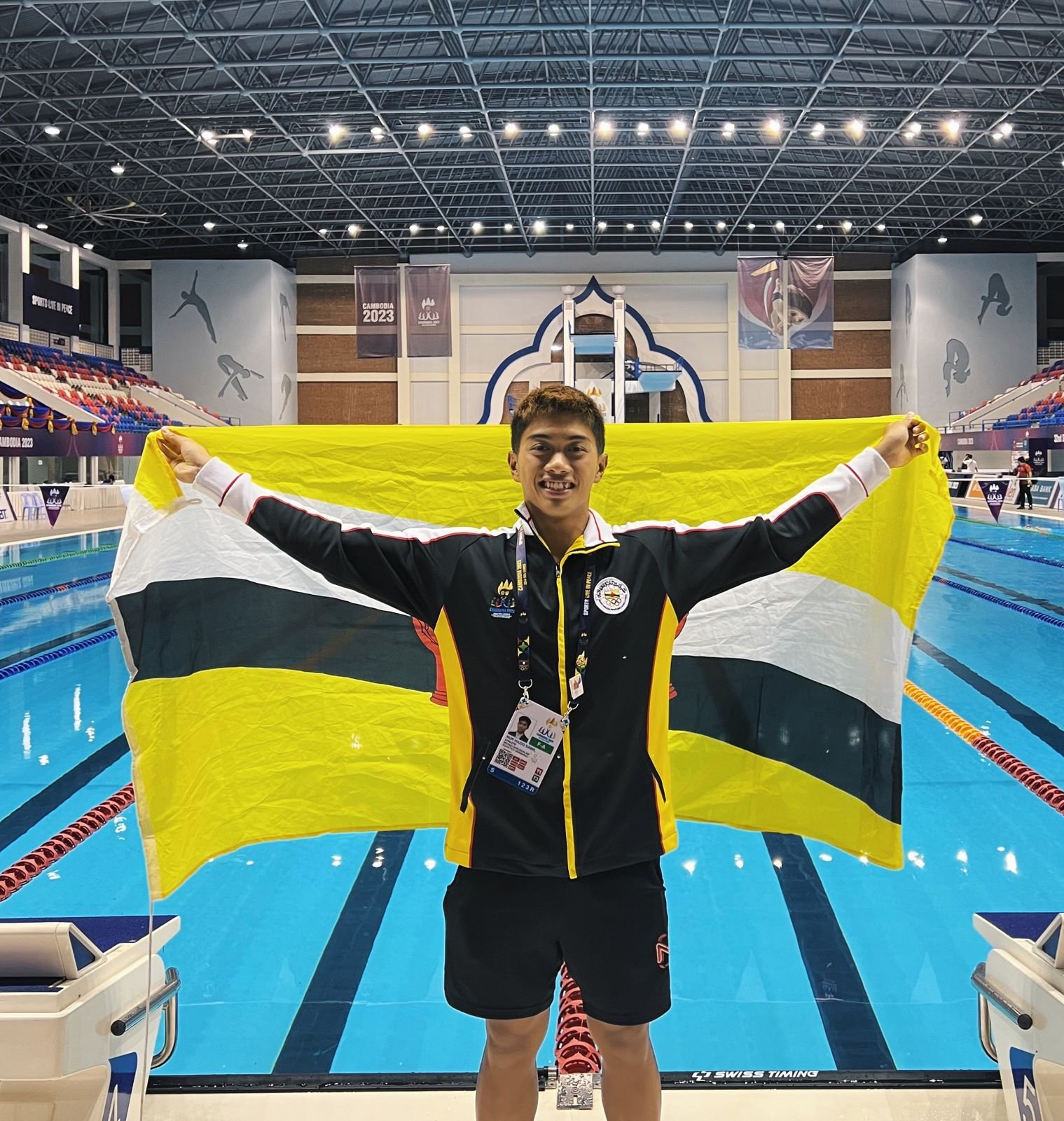
![A smiling male swimmer in a black and yellow jacket holds a large Brunei flag behind him, standing at the edge of an indoor swimming pool with race lanes and aquatic-themed decor in the background.]()
Haziq Samil
MULTIPLE RECORD HOLDER SWIMMER
"Within a week of our session I was breaking my (PB) Personal Bests"
-
![entrepreneur-mindset-coach-phuket-business-growth]()
Laila Fe Balinggan
ENTREPRENEUR
"He has been incredibly insightful in guiding my business short term and long term goals"
-
![performance-coaching-for-entrepreneurs-thailand-resilience]()
Carl Ydmark
Entrepreneur
“Kyle is a great coach! He has offered some of the best advice that I continue to practice and implement in my daily life. “




Identify Your Performance Constraint.
Stop guessing where your mental energy is leaking. Take the Strategic Mindset Audit—a 2-minute diagnostic framework to identify the exact friction points currently capping your performance.