

Teen and developing athletes · Phuket and online
Mental skills for young athletes
Your child trains well, then something changes when it counts. I teach teen and developing athletes how to handle nerves, stay confident after mistakes and perform in competition the way they train. These are skills for sport, and for life.
Book a free callQuestions parents askDual psychology degrees · FC Barcelona sport psychology certificate · Former teacher · Worked with Olympians, a Paralympian and World Aquatics swimmers
Does this sound like your child?
Great in training, different in competition
They play freely in practice, then tighten up in matches, races or tournaments.
Nerves before competing
Poor sleep, a sore stomach or tears in the days or hours before an event.
One mistake ruins the day
An error early on, and the rest of the game or match goes with it.
Too hard on themselves
Perfectionism, harsh self-talk, and a feeling that nothing is ever good enough.
Confidence that comes and goes
Confident after a good result, lost after a bad one.
Losing the love of the sport
Talking about quitting something they used to enjoy.
These are common, and they are learnable skills, not character flaws. Most young athletes are never taught them.
What your child learns
To notice their own state. What they feel like when they perform at their best, and what changes when pressure rises.
To get back to their best state. Simple tools they can use before and during competition, practised until they work under pressure.
To recover from mistakes. A short reset so one error does not turn into a bad day.
To build confidence that lasts. Confidence based on preparation and self-trust, not only on the last result.
How it works
1. A free call with the parent. We talk about your child, their sport and what you are seeing. If I can help, I explain how. If I cannot, I point you to someone who can.
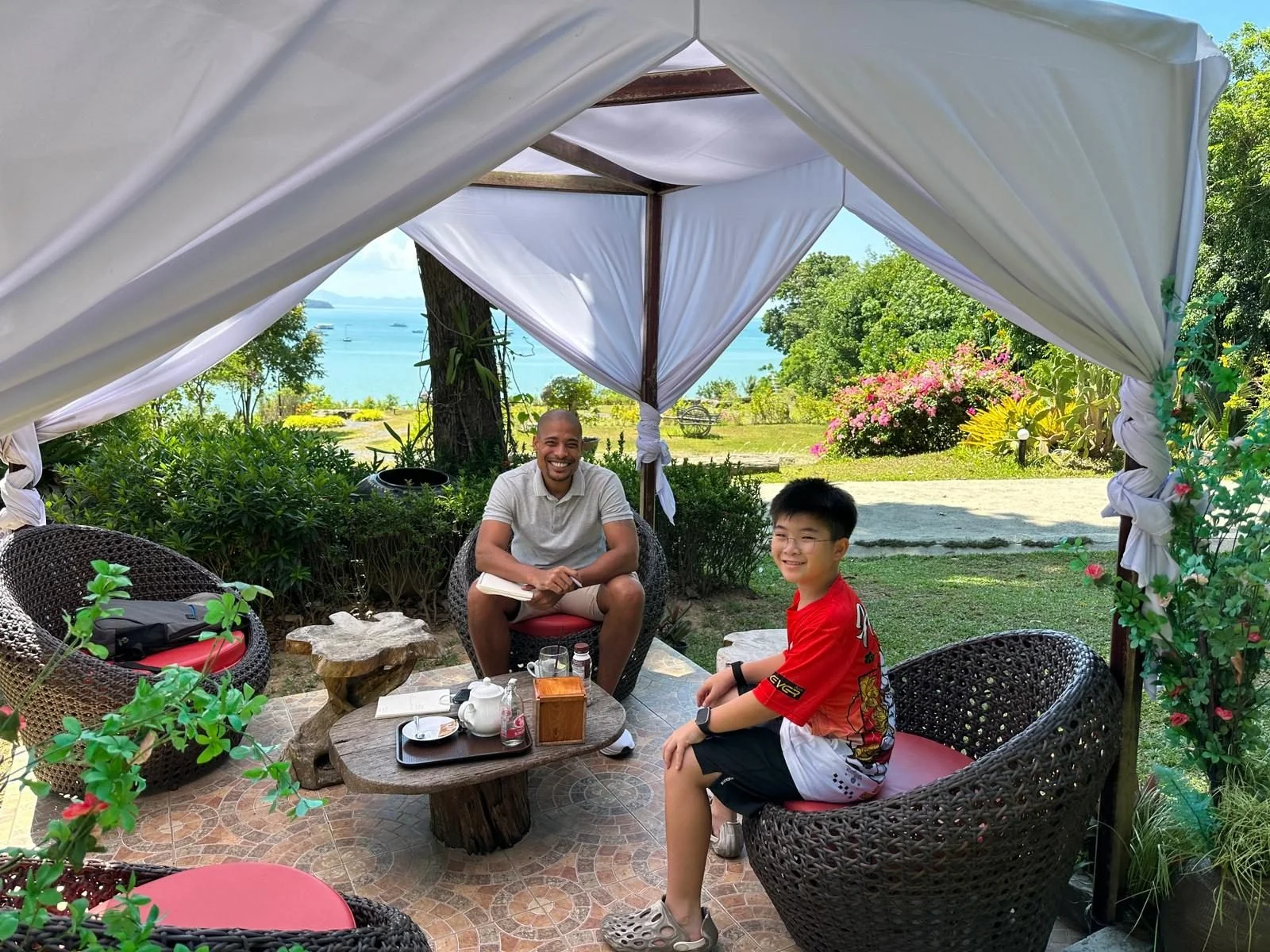
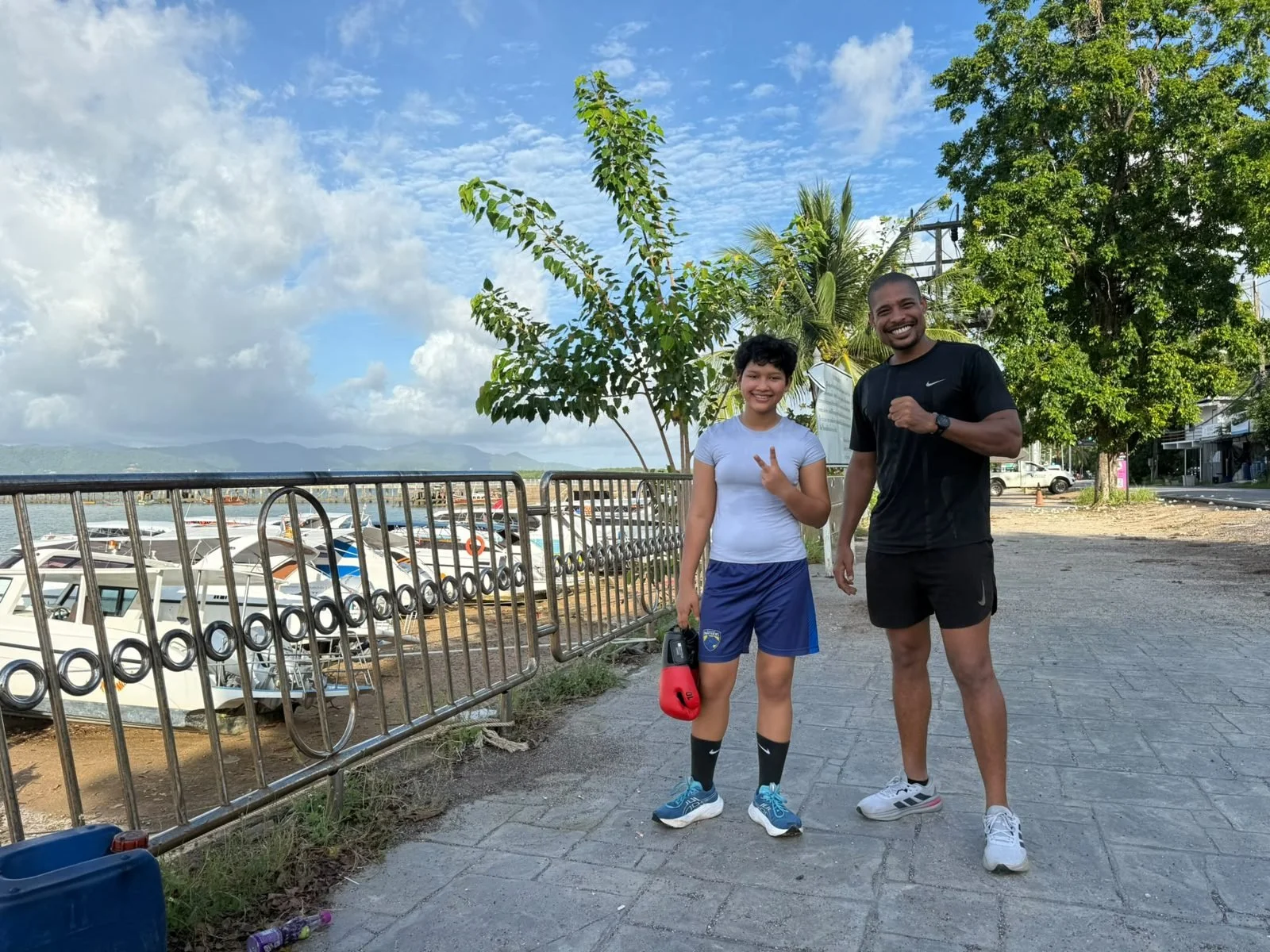
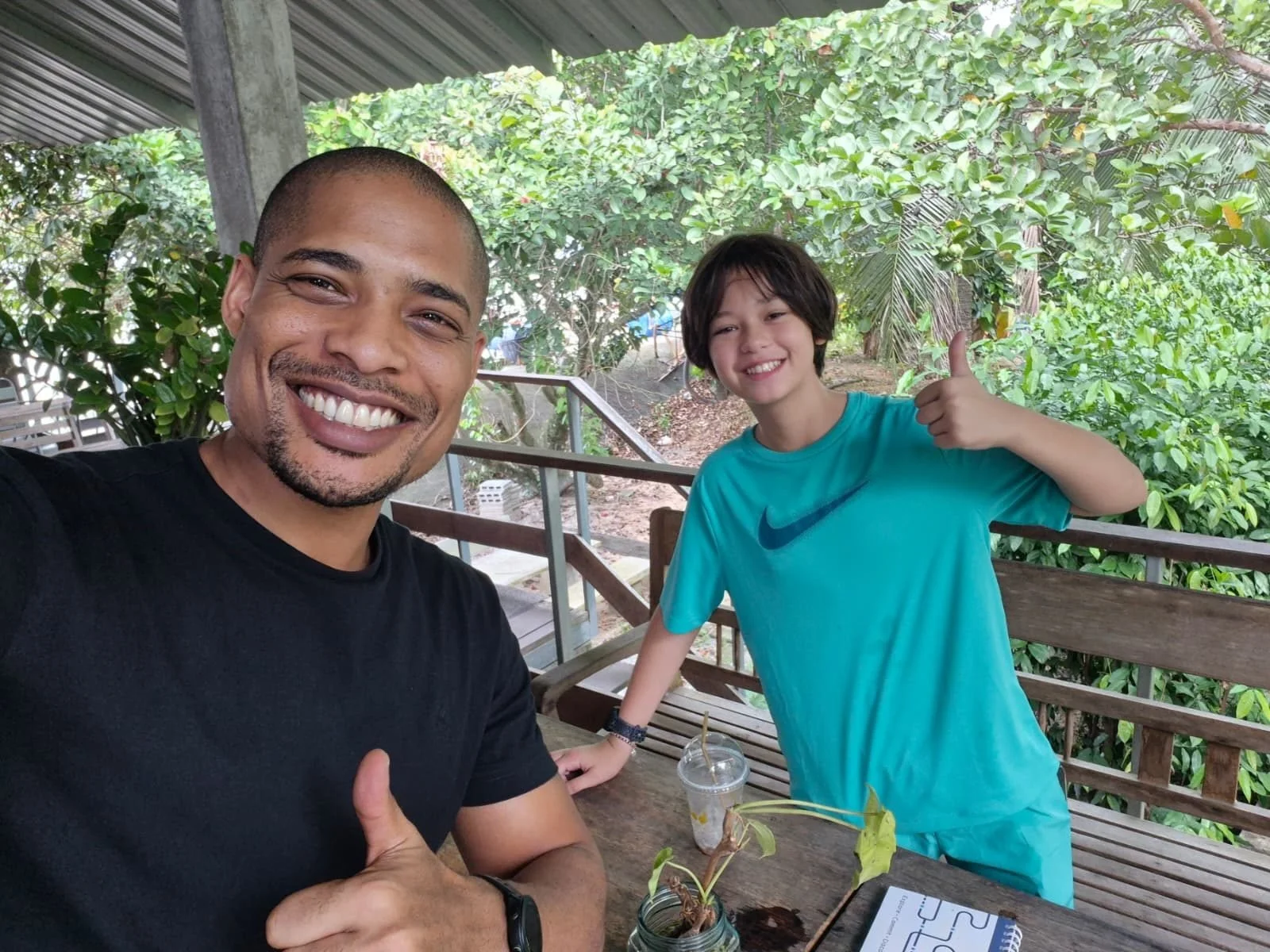
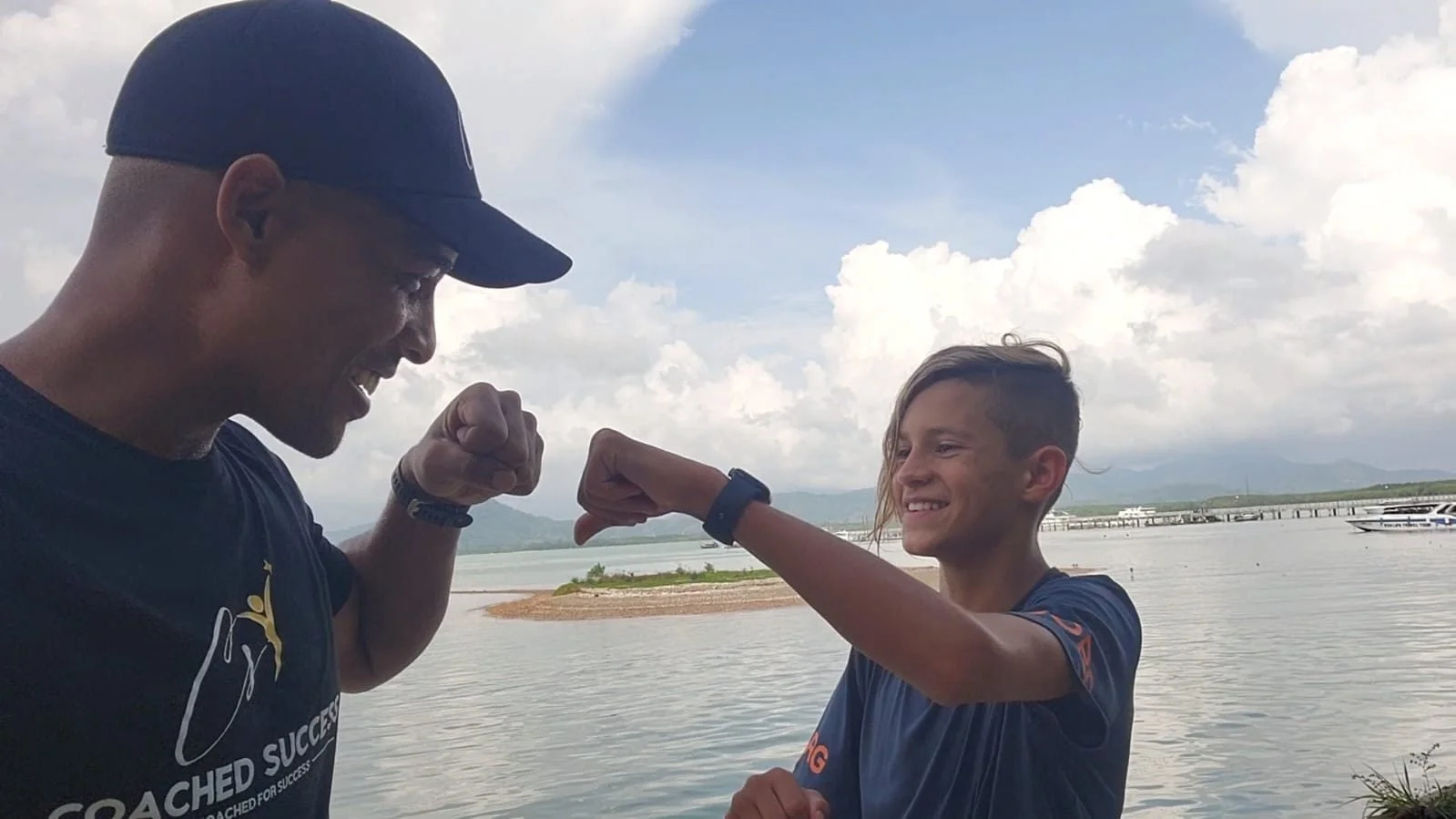
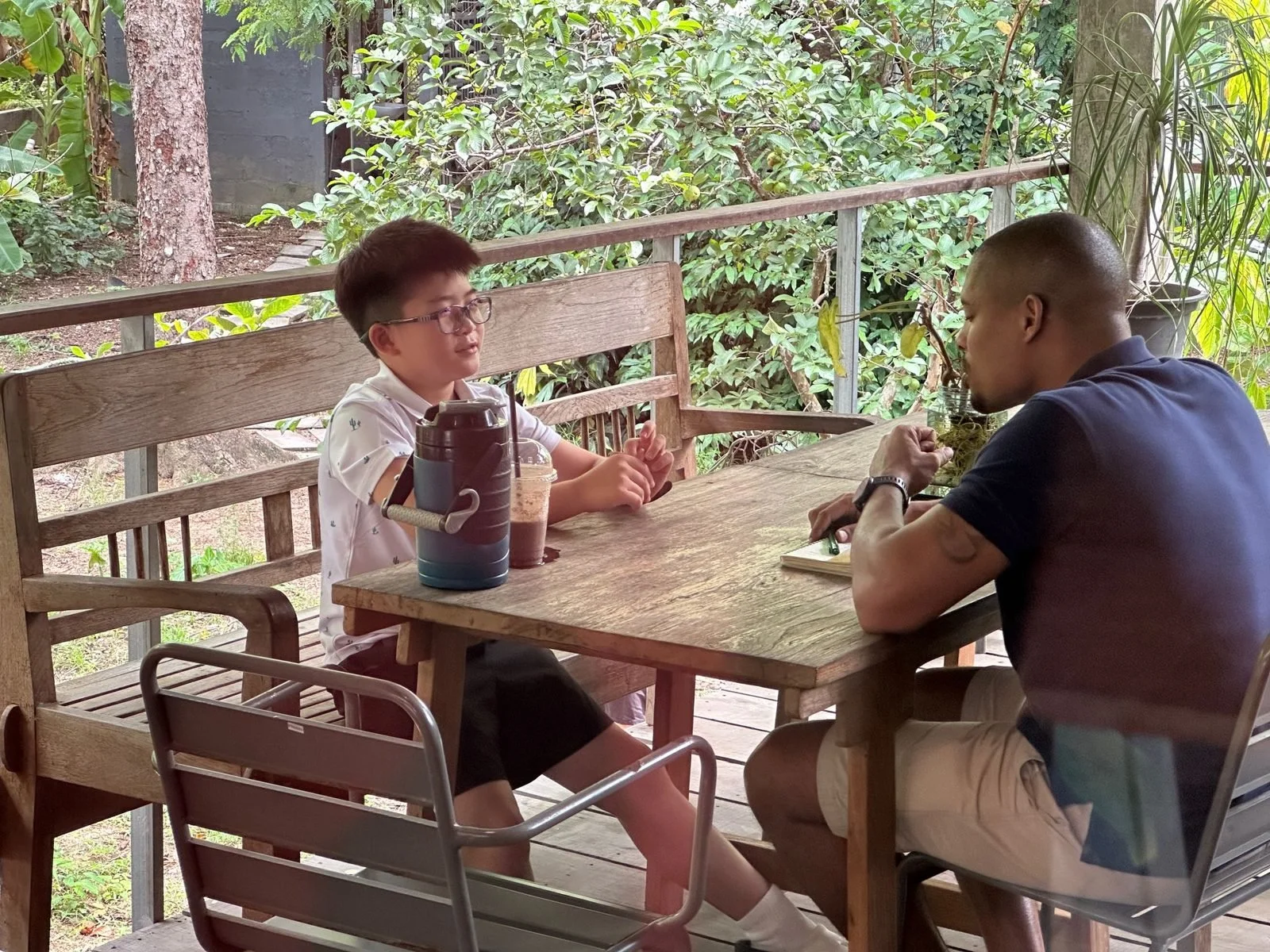
2. A short programme of sessions. Usually four sessions, in person in Phuket at a café or the beach, or online by video. Each session ends with something to practise in training.
3. Parents kept in the loop. You know the plan and the goals, and what you can do at home to help. What your child shares in sessions stays private, unless there is a concern for their safety.
Who I work with
Teen and developing athletes in sports such as tennis and swimming, usually from about 12 years old. I have run mental skills sessions for student athletes at British International School Phuket and HeadStart International School, and I worked with the FINA World Aquatics swimmers in Phuket. Before coaching full time, I was a teacher.
"It has been very helpful working with Mr. Kyle. I learned to be with myself and be a better person. It has been nearly a year working with him, and I will recommend him to any athletes."
Sean, junior tennis player"Kyle's cool, calm, and smiley presentation style was well received by our students at HeadStart. His CPR talk for our high performing athletes was both eye-opening and informative."
Nick Carter, Director of Sport, HeadStart International School"Kyle gave a speech to our students and high-performance athletes about focusing on their goals and the sacrifices that need to be made to achieve them. This was a great wakeup call for some of the students many of whom followed up with questions and reached out to Kyle to find out more."
David Berman, Extended Curriculum Coordinator, British International School PhuketA mental skills talk for student athletes at Pan-Asia International School.
Questions parents ask
What age do you work with?
Usually from about 12 years old, when young athletes start competing seriously and can reflect on their own thinking.
How involved are parents?
You are part of the first call and you agree the plan. I also share simple ways to support your child, including how to talk to them after a hard game.
Where do sessions take place?
In public places in Phuket, such as a café or the beach, or online by video. I do not see clients at home.
How quickly will we see a change?
Most young athletes start using the tools within the first few sessions. Lasting change comes from practising them in training and competition.
Is this therapy?
No. This is mental skills coaching for sport. If I see signs that your child needs a psychologist or a doctor, I will tell you and help you find the right person.
How much does it cost?
I share the fee on the free call, once I understand what your child needs.
If your child is in crisis or in danger in Thailand, call 1669 for emergency help or the Thai mental health hotline on 1323.